Introduction
Setting sail on a cruise is an exciting adventure, but for many travelers, the fear of sea sickness can cast a shadow over this enjoyable experience. If you’ve ever wondered how to navigate the waves without feeling queasy, you’re not alone. At Viajante Seguro, we understand that keeping this common issue at bay is crucial to fully savor the journey ahead. This article, Cruising and Sea Sickness: Tips to Prevent and Enjoy Your Trip, aims to guide you through the best practices to avoid discomfort and make the most out of your time at sea.
Sea sickness happens when your inner ear’s balance system senses motion, while your eyes might not, leading to nausea, dizziness, and fatigue. Fortunately, simple adjustments like choosing the right cabin location and staying hydrated can significantly reduce these symptoms. For instance, Celebrity Cruises highlights how midship cabins have less movement, which might be the secret to a steadier experience onboard.
Besides the cabin choice, being proactive is key—taking preventive medications before symptoms appear is highly recommended instead of waiting for them to strike, as advised by experts at Carnival Cruise Line. You’ll also find natural remedies like ginger candies or acupressure bands helpful, as shared by members in cruise communities such as one on Reddit.
Throughout this guide, you will discover a variety of practical tips—from preparation and cabin selection to in-the-moment relief techniques—to confidently face seasickness and enjoy your cruise without worries. If you’re interested, don’t forget to check out practical advice on travel insurance options to protect your trip, like those available through Viajante Seguro’s travel insurance reviews to have peace of mind every step of your journey.

Understanding Sea Sickness
Have you ever wondered why some people feel uneasy while others enjoy smooth sailing? Sea sickness occurs when there’s a conflict between signals sent to the brain by your eyes, inner ear, and sensory nerves. Essentially, your inner ear detects motion from the waves, but your eyes might see a stable environment inside the ship. This mismatch confuses your brain, triggering symptoms such as nausea, dizziness, and fatigue.
These unpleasant effects are not just physical; psychological factors like anxiety or anticipation of discomfort often make symptoms worse. For first-time cruisers or those prone to motion sensitivity, the experience can be particularly challenging. Common signals include queasiness, sweating, headache, increased salivation, and a general feeling of weakness. You might also notice difficulty focusing or trouble sleeping, which adds to the overall discomfort.
Interestingly, where you stay on the ship makes a difference. Cabins located midship and on lower decks usually experience less sway, helping to reduce the intensity of symptoms, a tip discussed in guides like those on Adventuresmith Explorations. Another practical suggestion shared by travelers on communities such as Reddit involves managing stress and using natural remedies like ginger to ease the stomach.
In addition to cabin choice, staying well-hydrated and avoiding heavy or greasy foods before and during your cruise can prevent symptoms from worsening. Experts also emphasize the importance of preparing early, with some advising preventive medication taken before boarding to stop seasickness in its tracks, as detailed by some cruise lines. Knowing how sea sickness works and recognizing its signs gives you a head start in managing it—so your adventure at sea becomes more about fun and less about feeling unwell.
Preparing for Your Cruise
Getting ready for your cruise goes beyond packing and booking excursions — it’s about setting yourself up to enjoy the journey without the discomfort of sea sickness. First off, think carefully about which cruise line to choose. Some lines operate newer ships with advanced stabilizers that reduce motion, which can make a big difference if you’re sensitive to waves. While you might not have full control over the ship’s technology, opting for reputable operators known for smooth sailing is a smart move.
Where you sleep matters more than you might imagine. Cabins located midship and on lower decks tend to experience less rocking, which helps your body stay balanced. According to advice found on official cruise sources, selecting these cabins reduces the sensation of motion, easing common symptoms. Also, try to avoid cabins near the bow or stern where the ship’s movement is exaggerated (Celebrity Cruises).
Besides your cabin, planning around weather conditions can help. If possible, check the forecast and try to schedule your cruise during seasons with calmer seas. While the ocean is never fully predictable, traveling when seas are less choppy means fewer surprises for your equilibrium. Onboard, staying hydrated and eating light, non-greasy meals will support your body as it adapts to the environment.
But here’s the kicker: your mindset truly influences how you handle sea sickness. Approaching the trip with calm confidence rather than anxiety can reduce symptoms. Many seasoned cruisers swear by simple mindfulness techniques like steady breathing or focusing on the horizon when you start to feel uneasy (Reddit). Preparing mentally is just as vital as physical preparations.
Choose a cruise line known for stable ships and smooth voyages.
Book cabins midship and on lower decks to minimize motion.
Monitor the weather forecast and select calmer sailing seasons.
Stay hydrated and avoid heavy meals before and during your trip.
Practice relaxation techniques to keep anxiety at bay.
Consider preventive medication ahead of boarding if prone to seasickness (Carnival).
When you combine these practical steps with a positive outlook, you’re more likely to embrace your voyage fully and leave sea sickness behind. For even more travel peace of mind, remember to look into comprehensive travel coverage options, including plans tailored for unique traveler needs here.
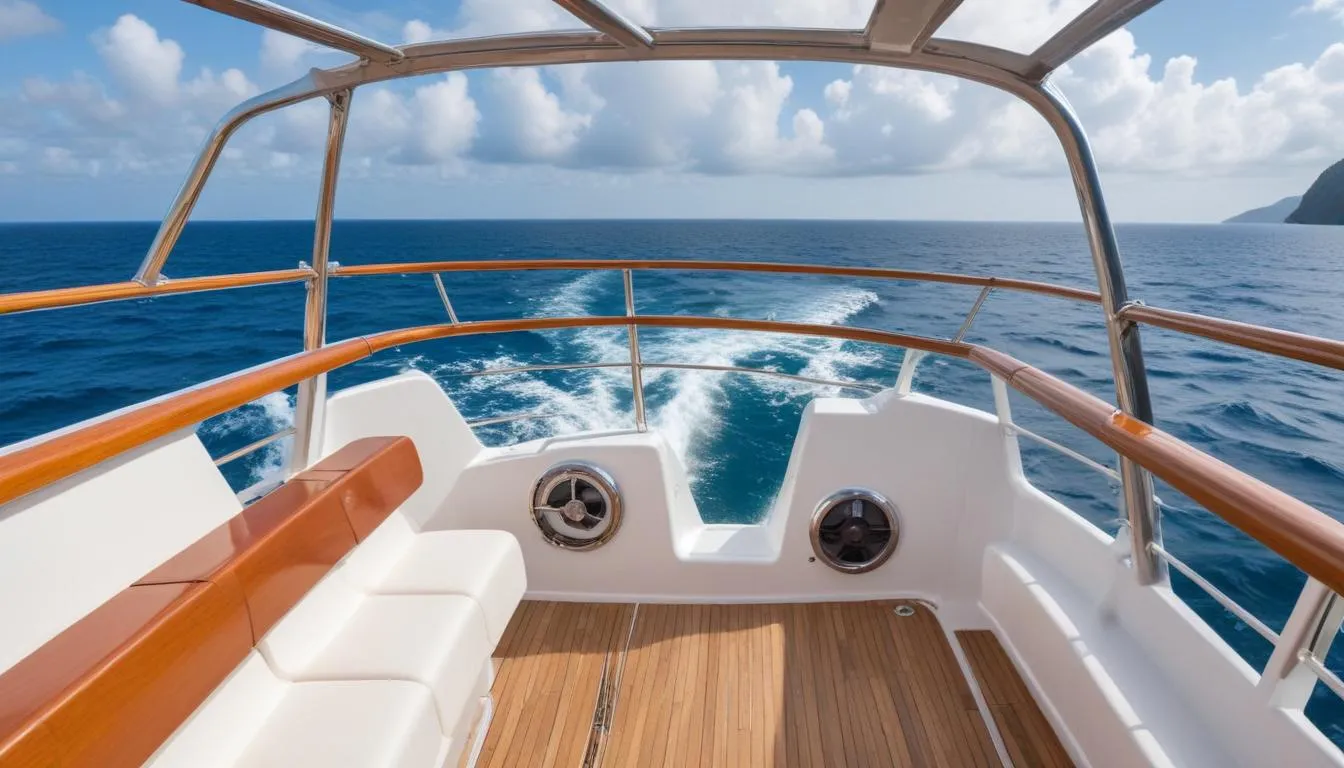
Prevention Tips Onboard
Wondering how to keep uncomfortable sea sickness at bay once you’re onboard? The good news is that there are several straightforward strategies you can use to stay comfortable throughout your cruise. First things first: where you spend your time on the ship makes a real difference. Staying in a midship area or on lower decks helps reduce the sensation of motion, but when out and about, try to find spots with minimal movement—often the center of the ship or near breaks in the superstructure feel more stable.
Additionally, don’t underestimate the power of fresh air. Spending plenty of time on deck not only gives you a break from enclosed spaces but also helps your body acclimate to the ship’s rhythm. Breathing in sea air and focusing your gaze on the horizon can do wonders when you sense the first signs of discomfort. Staying hydrated is equally important; sipping water regularly supports your balance system and prevents dehydration, which can worsen symptoms. Try to avoid caffeine and alcohol, especially in the early stages of your voyage —as recommended by experts.
What about activities? Keeping your mind engaged often distracts from the feeling of motion. Whether it’s dancing, joining group games, or simply chatting with fellow travelers, moving around and staying active can help break the focus on any queasiness. Gentle exercises or yoga on deck are great options, too. In fact, many cruisers swear by acupressure wristbands or natural remedies like ginger, which have been shown to reduce nausea for some people (community insights).
Importantly, preventive measures taken before symptoms develop are key. If you know you’re prone to sea sickness, consider taking motion sickness medication ahead of time—waiting until the discomfort hits can make it harder to control , according to medical advice. Wearing acupressure bands or using natural supplements early can also prepare your body to handle movement more smoothly. For more guidance on preparing your trip, including insurance tips to avoid unexpected troubles, check out helpful resources on travel protection here and here.
Spend time midship or on lower decks where movement is less intense.
Get fresh air regularly, and focus your eyes on the horizon to help stabilize your senses.
Stay hydrated by drinking water frequently; avoid alcohol and caffeine early on.
Engage in light activities and socializing to distract your mind from motion.
Use preventive motion sickness remedies or medications before symptoms appear.
Consider acupressure wristbands or natural aids such as ginger candies.
By applying these practical tips during your cruise, you increase your chances of enjoying every moment without being sidelined by seasickness. After all, cruising is all about the experience — and feeling your best onboard makes all the difference.
Remedies and Treatments
Feeling seasick after boarding? Don’t worry—there are several effective remedies and treatments to help you ease the discomfort and get back to enjoying your journey. It’s important to address symptoms early, as the sooner you act, the better the results.
Natural options often appeal to cruisers looking for gentle relief. For example, acupressure wristbands are popular; they apply pressure to specific points on your wrists to help reduce nausea. Many travelers also turn to ginger in forms such as candies, tea, or supplements, which has been praised for its calming effect on the stomach. Breathing techniques and focusing on the horizon can also work in tandem with these remedies, helping to steady your senses.
On the medicinal side, over-the-counter antihistamines and motion sickness pills are widely used. These are typically effective if taken at the onset or before symptoms appear, preventing nausea before it intensifies. For persistent or severe cases, prescription medications may be necessary, but it’s essential to consult a healthcare professional to find the right option and dosage for you.
So, when should you seek medical attention? If your symptoms worsen despite using remedies, or if you experience dehydration, intense vomiting, or dizziness, it’s time to reach out to the ship’s medical staff. They can provide stronger medications or fluids to ease your condition and ensure your safety.
Type of Remedy | Examples | When to Use |
|---|---|---|
Natural | Ginger candies, acupressure wristbands, deep breathing | At first signs of nausea or preventively |
Over-the-Counter Medications | Antihistamines, motion sickness pills | Before or at early symptom onset |
Prescription Medications | Scopolamine patches, stronger anti-nausea drugs | If symptoms are severe or persistent |
Remember, finding the right balance between natural and medicinal remedies often makes the trip more enjoyable. For more tips on staying safe and comfortable during your travels, it’s worth exploring advice on travel insurance, especially if you have special health needs (learn more here).
Finally, keep in mind that preparation is key. Many travelers credit pre-boarding medication combined with natural aids for a symptom-free cruise — just like the practical tips offered in a wide range of online communities, which stress the importance of acting proactively (community advice).

Lifestyle and Dietary Considerations
Have you ever wondered why some people get seasick while others sail through their entire trip? Often, it comes down to lifestyle habits and dietary choices before and during the cruise. Adopting healthy routines can significantly reduce the chances of experiencing discomfort at sea.
First, what you eat matters. Opt for light, balanced meals that won’t overload your stomach. Foods rich in complex carbohydrates, like whole grains and fruits, help maintain steady energy and avoid sudden spikes that can worsen nausea. Conversely, greasy, heavy, or spicy foods tend to trigger or worsen sea sickness symptoms, so it’s smart to avoid those, especially before or during your cruise. Staying hydrated with water or herbal teas is another key point — dehydration can intensify symptoms, so sip fluids regularly.
Getting enough rest prior to boarding goes a long way too. A well-rested body handles motion better, so try to stick to a consistent sleep schedule leading up to your trip. If you feel tired or overstressed, you might be more prone to nausea, so prioritize rest. During the cruise, short naps can help restore balance but avoid oversleeping, which may disrupt your natural rhythm.
Exercise also plays a surprising role in prevention. Activities that improve your inner ear and balance, such as yoga or tai chi, can train your body to better adapt to ship movement. Light stretching or simple balance exercises daily keep your muscles alert and your coordination sharp. Fresh air and gentle outdoor walks on deck meanwhile encourage your body to acclimate and reduce queasiness — a strategy well supported by expert advice from various cruise travel resources.
Focus Area | Suggestions | Why It Helps |
|---|---|---|
Diet | Light meals, whole grains, fruits; avoid greasy and spicy foods | Prevents stomach overload and reduces nausea triggers |
Hydration | Water, herbal teas, avoid excessive alcohol | Keeps body hydrated to minimize dizziness and nausea |
Sleep | Consistent sleep schedule, restful nights before cruise, short naps | Improves body’s response to motion and stress |
Exercise | Yoga, tai chi, balance exercises, fresh air walks on deck | Enhances balance and helps body adjust to movement |
Taking simple lifestyle steps like these can make a huge difference when you’re cruising. If you want to deepen your knowledge on managing health-related travel issues, you might find useful insights in articles about travel insurance tailored for specific needs, such as during pregnancy or chronic conditions here.
Would you like a few more practical tips? For instance, planning your cabin location carefully and staying proactive with medication and natural remedies are strategies many seasoned cruisers swear by. Learning from communities that share experience-based advice could be invaluable too — many share how combining healthy lifestyle elements with smart packing and preparation turned their trips into smooth, enjoyable adventures.
Cruising with Confidence
Feeling anxious about sea sickness can cast a shadow over what should be an exciting adventure. Yet, the truth is that most people can set aside those worries by equipping themselves with knowledge and practical strategies. Rather than letting fear take over, why not empower yourself to enjoy every moment on board? Preparedness is key.
First and foremost, remember that sea sickness is common but manageable. Educating yourself on preventive measures, such as selecting the right cabin location and staying hydrated, makes a big difference. For example, many travelers find that a midship cabin on a lower deck experiences less motion, helping maintain balance throughout the cruise. Also, proactive use of recommended medications or natural remedies can help keep nausea at bay before symptoms begin. In fact, as shared in communities like Reddit’s cruise forums, combining medication with relaxation techniques such as deep breathing can work wonders when you start to feel queasy.
Maintaining a positive attitude is just as important as the physical preparations. Instead of focusing on “what if” scenarios, try to embrace the journey and the unique experiences it offers. Staying calm under pressure not only reduces anxiety but may also lessen the severity of symptoms. When seas get rough, grounding yourself with mindful breathing or stepping outside for fresh air often helps refocus your senses.
Confidence Boosters | Why They Help |
|---|---|
Choose cabin midship, lower decks | Reduces motion sensation, lowers nausea risk |
Use preventive remedies early | Controls symptoms before they start |
Practice deep breathing and mindfulness | Calms nervous system, eases discomfort |
Keep a positive mindset | Improves overall experience and coping ability |
Spend time outdoors on deck | Helps body adjust to sea movement naturally |
By blending practical actions with a relaxed, confident outlook, you’ll increase the chances of having a memorable cruise that’s defined by excitement rather than discomfort. For further inspiration on how to travel with peace of mind, you might find tips on travel insurance for special needs or wellness useful here. Moreover, understanding how your body works and treating sea sickness as just one part of the adventure can transform your entire perspective.
So next time you plan a cruise, arm yourself with these tools and keep curiosity and joy front and center. The ocean is calling, and with the right approach, you can answer it confidently—ready to create stories worth sharing.
For more insights, the Celebrity Cruises blog offers useful strategies on selecting cabins and managing hydration, while Carnival Cruise Line stresses early medication use to stay ahead of symptoms. These resources complement your preparation perfectly, so don’t hesitate to explore them.
Conclusion: Embrace Your Cruise Journey Free from Sea Sickness Worries
In summary, cruising with peace of mind is entirely within your reach when you combine the right preparation with a positive mindset. We’ve explored several effective strategies—from selecting a midship cabin on a lower deck to the early use of preventive remedies—that can significantly reduce the risk of seasickness. These measures enable you to focus on what truly matters: creating joyful memories at sea.
Keep in mind that staying hydrated, avoiding heavy meals or alcohol before and during the trip, and taking advantage of fresh air by spending time outdoors on deck are simple yet powerful habits. In fact, expert advice found on sites like Celebrity Cruises highlights the importance of these steps in easing discomfort. Similarly, on forums such as Reddit’s cruise community, travelers share firsthand tips that emphasize combining calming breathing techniques with preventive supplements.
Importantly, don’t underestimate the power of mindset. When you actively choose to focus on the excitement of your voyage, you help your body adjust more smoothly to the ocean’s rhythms. Many seasoned cruisers recommend using natural remedies and acupressure bands, as noted on Cruise Critic, alongside outdoor activities, to reduce unease and adapt to motion.
Ready to put these insights into practice? Begin by planning ahead and embracing all the joy a cruise offers. Our team encourages you to share your own experiences and tips in the comments to help fellow travelers build confidence and make cruising an unforgettable experience free of sea sickness worries. For additional guidance on travel preparedness, including insurance options tailored to special needs, check out our related articles here and here.
Ultimately, with the right tools and mindset, a cruise free from the fear of sea sickness is more than possible—it’s your next great adventure waiting to be enjoyed.